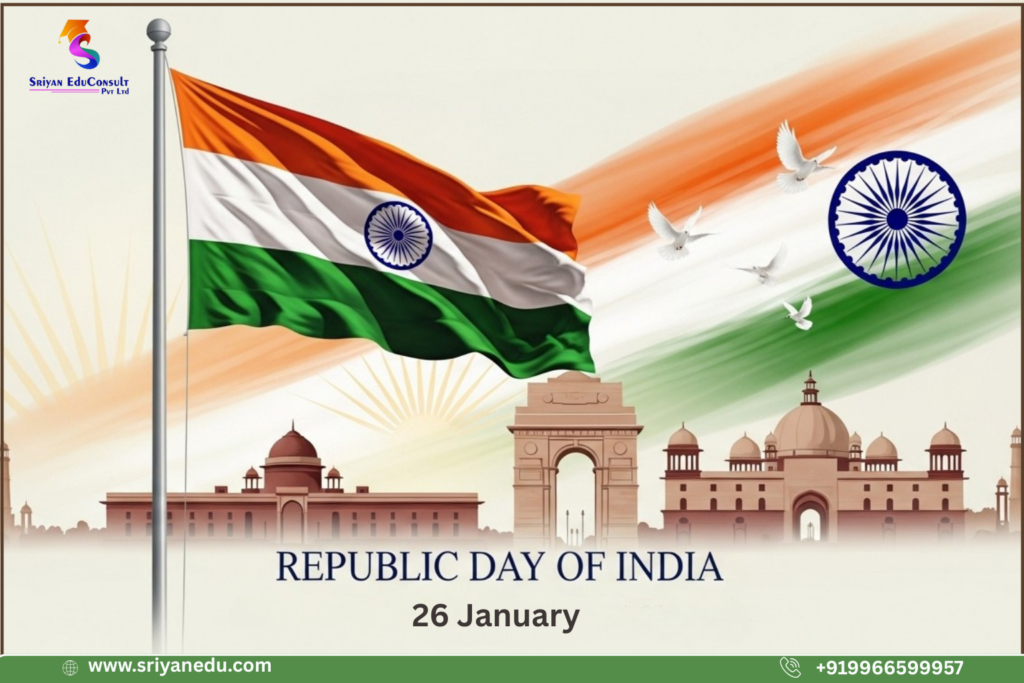
Republic Day of India is more than a national holiday—it is a powerful reminder of the values, responsibilities, and democratic spirit that define our nation. Celebrated every year on 26 January, this day marks the moment when India adopted its Constitution and became a sovereign republic. From grand parades to patriotic reflections, the occasion unites citizens across cultures, languages, and generations.
As someone with over a decade of experience working closely with students and educators, I have seen how understanding national values builds stronger, more responsible citizens. This is why Republic Day of India holds lasting relevance, especially for young minds shaping the future.
The Historical Significance of Republic Day
India gained independence on 15 August 1947, but true self-governance began on 26 January 1950, when the Constitution of India came into force. This historic step transformed the country from a dominion to a democratic republic, giving power to the people.
Key historical highlights include:
- Adoption of the world’s longest written constitution
- Establishment of justice, liberty, equality, and fraternity
- Fulfillment of the Purna Swaraj resolution of 1930
The celebration of Republic Day of India honors the vision of Dr. B.R. Ambedkar and other constitution-makers who laid the foundation of modern India.
Why the Constitution Matters to Every Citizen
The Constitution is not just a legal document; it is the backbone of Indian democracy. It defines rights, duties, and the balance of power that protects citizens.
Core values upheld on Republic Day:
- Fundamental Rights that safeguard freedom and dignity
- Fundamental Duties that remind citizens of responsibility
- Democratic governance through elected representatives
Understanding these principles makes Republic Day of India deeply relevant in everyday life, not just in textbooks or ceremonies.
Republic Day Celebrations Across the Nation
The grandeur of Republic Day of India celebrations reflects the country’s diversity and strength. The main event takes place at Kartavya Path, New Delhi, in the presence of the President of India.
Highlights of the celebrations include:
- Spectacular military parade showcasing national defense
- Colorful state tableaux representing India’s cultural heritage
- Awards for bravery, excellence, and public service
- Participation of students, artists, and frontline workers
Schools, colleges, and institutions across India conduct flag hoisting, cultural programs, and discussions to instill patriotic values.
Republic Day and the Role of Youth
For students and young professionals, Republic Day of India is a call to action. It encourages them to understand democracy, respect diversity, and contribute positively to society.
From an educational perspective, national days play a vital role in:
- Building civic awareness
- Encouraging ethical leadership
- Promoting unity beyond differences
At Sriyanedu Consultancy, we strongly believe that education and national values go hand in hand. Guiding students toward academic success also means shaping them into informed and responsible citizens.
Why Republic Day Still Matters Today
In a rapidly changing world, Republic Day of India reminds us that progress must always align with constitutional values. Economic growth, technological advancement, and global recognition mean little without equality, justice, and accountability.
This day encourages every Indian to:
- Respect democratic institutions
- Exercise voting rights responsibly
- Uphold integrity in personal and professional life
Such reflections make Republic Day of India timeless and meaningful, even decades after its inception.
Final Thoughts
Republic Day of India is not just about celebration—it is about commitment. Commitment to the Constitution, to fellow citizens, and to the future of the nation. When understood deeply, it becomes a source of inspiration for students, professionals, and leaders alike.
As we salute the tricolor and remember our constitutional journey, let us renew our promise to build an India that is educated, ethical, and empowered—today and for generations to come.